
How to Start a Tour Business in South Africa
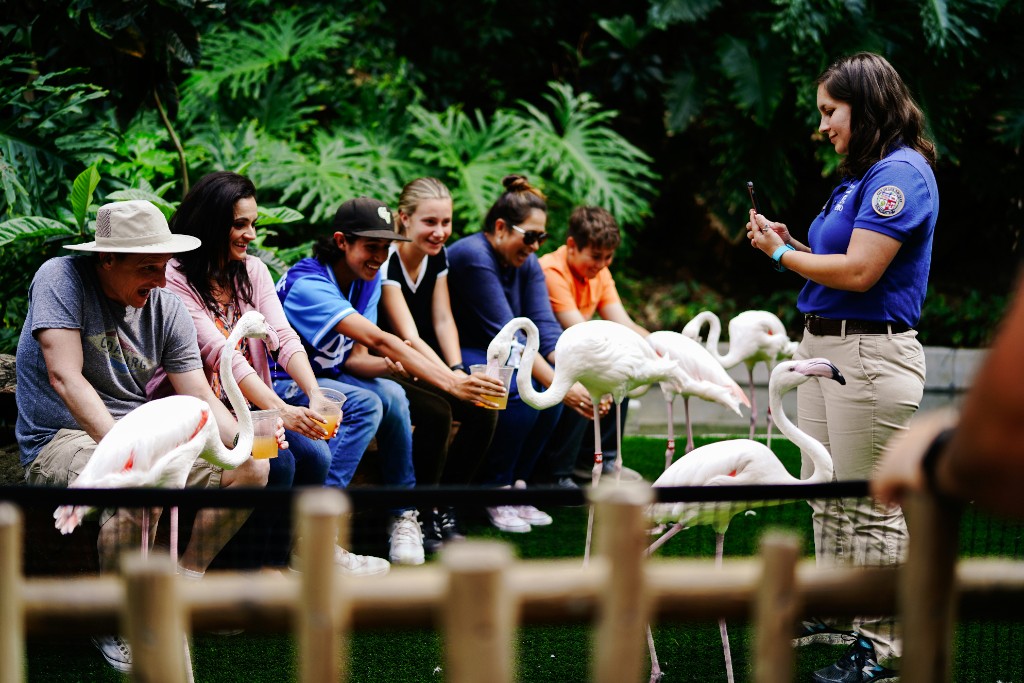
South Africa welcomed 8.92 million international visitors in 2024 — and every one of them needed a guide, a vehicle, and an experience worth remembering. If you have ever dreamed of turning your love of this country into a business, now is one of the best times to do it.
The South African tourism industry contributes 8.8% to the country’s GDP and supports 1.68 million jobs. Direct tourist spending reached R91.6 billion in 2024. That is a massive market — and the independent tour operator sits right at its heart. This guide walks you through every step to get your business legally compliant, professionally structured, and ready to take bookings.
Step 1: Choose Your Niche and Business Model
Before you register a single form, get clear on what kind of tour operator you want to be. South Africa offers an extraordinary range of niches, and the operators who thrive are those who own a lane rather than try to serve everyone.
Popular niches include:
- Wildlife and safari tours (Kruger National Park, Hluhluwe-iMfolozi)
- Cape winelands tours and food experiences
- Cultural and township tours in Johannesburg, Cape Town, and Durban
- Adventure tourism (shark cage diving, bungee jumping, hiking)
- Historical and heritage tours (Robben Island, Battlefields Route)
- School and educational tours
- MICE (Meetings, Incentives, Conferences, and Exhibitions) transfers and experiences
Consider whether you will run day tours, multi-day itineraries, or both. Will you own vehicles or subcontract transport? Will you target domestic or international visitors — or both? Answering these questions shapes every decision that follows.
Step 2: Register Your Business
You must register your business with the Companies and Intellectual Property Commission (CIPC) before you can open a bank account, hire staff, or apply for any tourism licence. South Africa offers several business structures:
- Sole Proprietorship — simplest structure; you and the business are legally one entity. No registration fee at CIPC, but offers no liability protection.
- Partnership — two or more people share ownership, profits, and liability.
- Private Company (Pty) Ltd — the most common choice for tour operators. Provides liability protection, easier to scale, and is required by most tour industry associations.
Register online at the CIPC eServices portal (eservices.cipc.co.za). Registration fees for a private company start at R175. Once registered, you will receive a registration number you will need for all subsequent licences and applications.
Step 3: Get Your Tax and Compliance in Order
Register your business with the South African Revenue Service (SARS) to obtain an income tax number. If you anticipate annual turnover exceeding R1 million, you must also register for VAT — and SATSA membership requires proof of VAT registration at this threshold.
Additionally, register with the Unemployment Insurance Fund (UIF) and the Compensation for Occupational Injuries and Diseases (COIDA) if you plan to employ staff. These are legal requirements, not optional extras.
Step 4: Obtain Your Tourism Licences
South African tour operators need several licences depending on their specific activities:
Provincial Tourism Registration
Enterprises whose primary purpose is to provide services to tourists must register with the relevant provincial tourism authority. The annual registration fee is R150 per sub-category. Contact your province’s Department of Economic Development, Tourism and Environmental Affairs (EDTEA in KwaZulu-Natal, for example) for the specific process in your region.
Tourist Guide Registration
If you personally plan to guide tourists, you must be registered as a tourist guide under the Tourism Act. Registration is managed at provincial level through the registrar of tourist guides. Guides must be accredited by the Tourism, Hospitality and Sport Education and Training Authority (TETA), which offers accredited guiding qualifications across multiple levels.
Road Transport Permit
If you will operate vehicles as part of your tour services, you need a Road Transportation Permit from the Department of Transport via the Local Transportation Board. Vehicles used for commercial passenger transport must also be roadworthy-certified and carry appropriate public liability insurance.
Step 5: Join SATSA
The Southern Africa Tourism Services Association (SATSA) is the pre-eminent trade body for inbound and domestic tour operators. SATSA membership signals credibility to international travel agents, wholesalers, and direct clients alike.
Key SATSA membership requirements include:
- The business must have been operational for at least one year
- Financial compliance documentation certified by an auditor or accounting officer
- Proof of valid insurance covering your operations
- Valid operating licences for any vehicles you own
- Proof of a company website or active social media presence
- Adherence to the SATSA Code of Conduct
SATSA conducts annual reviews of members’ financial stability, insurance, and compliance. Think of it less as a bureaucratic hurdle and more as a structured way to run a professional operation from day one.
Step 6: Sort Your Insurance
Do not skip this step. Tourism is an inherently risk-bearing industry. At minimum you will need:
- Public liability insurance — covers injury or property damage to third parties during your tours
- Professional indemnity insurance — covers claims arising from errors or omissions in your professional service
- Vehicle insurance — comprehensive cover for any vehicles used commercially
- Travel insurance (recommended for your clients) — many operators include this in their packages or can offer referrals
Work with an insurance broker who specialises in tourism businesses. The premiums are a genuine business cost, but one unforeseen claim without cover can end your business overnight.
Step 7: Set Up Your Digital Infrastructure
The South Africa online travel market reached USD 2.54 billion in 2024 and is projected to grow at nearly 10% annually through 2033. If you are not online and bookable, you are invisible to the majority of your potential customers.
Your minimum digital setup should include:
- A professional website with clear tour descriptions, pricing, and an online booking capability
- Google Business Profile — essential for local search visibility
- An online booking system (see our guide to tour booking software) that handles reservations, payments, and availability in real time
- WhatsApp Business — 93.9% of South African internet users use WhatsApp monthly; it is the dominant channel for customer communication
Mobile-first design is non-negotiable. South Africa’s travel platforms are rapidly shifting to mobile-first booking environments, and your website must load fast and convert on a smartphone screen.
Step 8: Price Your Tours and Find Your First Clients
Pricing is one of the hardest parts of launching. Research what comparable operators charge, then work backwards from your costs: vehicle expenses, guide fees, park entrance fees, accommodation (for multi-day), insurance, commission (typically 10–20% for agents), and your own margin.
Your first clients will likely come from:
- Personal network — friends, family, colleagues who trust you and will provide your first reviews
- Local hotels and guesthouses — build relationships with front-desk staff who field guest activity requests daily
- Tour Operator Software Zuru — Automate your operations and accept online payments
- Direct bookings via your website — the highest-margin channel; invest in SEO and content marketing to grow it over time
Pro Tip: List your tours on Zuru to reach international travellers actively looking for experiences in South Africa. Zuru’s platform handles bookings, payments, and reviews — giving you professional credibility from day one without a large marketing budget.
Conclusion
Starting a tour business in South Africa requires careful planning, proper licensing, and a genuine passion for the country you are sharing with the world. The market is growing — 8.92 million arrivals in 2024 and a government target of 15 million by 2030 — and travellers increasingly want authentic, locally owned experiences over generic packages. Follow the steps above, get compliant, get online, and get your first reviews. The rest follows from there.
Ready to take your first booking? List your South Africa tours on Zuru today and reach travellers from around the world.